 Call:
Call:  Mail:
Mail: 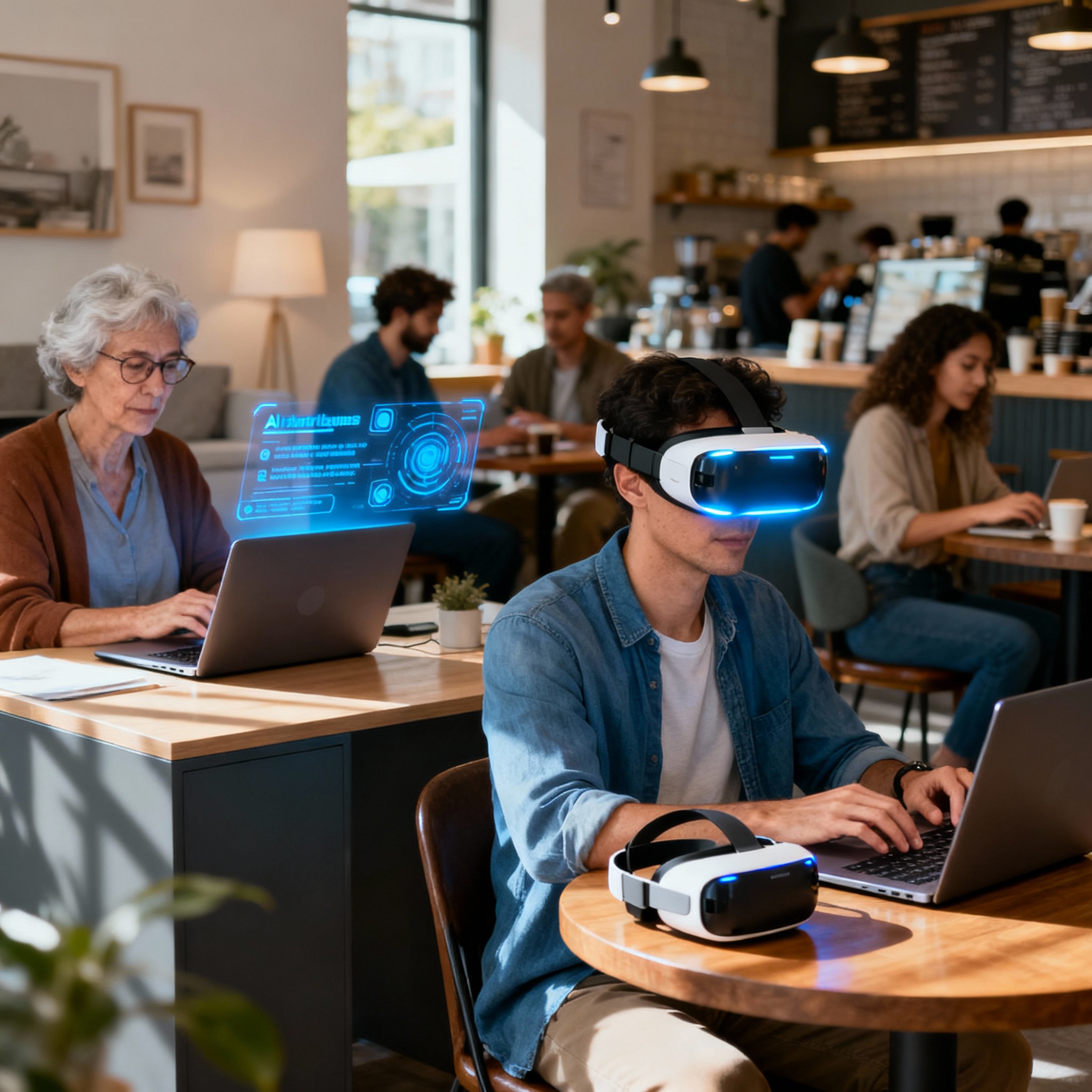



The Future of Remote Work: Trends and Challenges


Remote work has evolved from an emergency pandemic response into a permanent fixture of modern workforce strategies. In 2025, approximately 32.6 million Americans—about 22% of the U.S. workforce—work remotely, representing a lasting shift in how organizations operate[11]. While this marks a decline from pandemic-era peaks, it significantly exceeds pre-pandemic levels, signaling that flexible work arrangements are here to stay. The landscape is dominated by hybrid models, with 83% of global employees preferring arrangements that blend remote and in-office work[11].
Dominant Trends Reshaping Remote Work
Hybrid Work Models as the New Standard
The future of work centers on hybrid arrangements that combine the flexibility of remote work with the collaborative energy of in-person interactions[7]. Organizations are adopting sophisticated scheduling tools, flexible office setups, and AI-powered insights to enable seamless collaboration regardless of location[13]. This approach allows businesses to transform traditional office spaces into hubs for creative collaboration rather than daily operations, while employees maintain the autonomy and work-life balance that remote work provides[7].
AI and Automation Revolution
Artificial intelligence is fundamentally transforming remote work environments, with 75% of employees already using AI tools—up from just 49% in previous years[13]. These technologies automate repetitive tasks such as scheduling, email management, and data entry, allowing employees to focus on strategic work[2]. Advanced analytics powered by machine learning help organizations understand team performance, identify bottlenecks, and predict project outcomes[2]. Workers report that 41% use AI to tackle high-value projects, while 38% gain more freedom for deeper problem-solving[13].
Immersive Technology Integration
Virtual reality and augmented reality are beginning to offer immersive experiences that mimic in-person interactions, making remote collaboration more engaging and effective[7]. Enhanced virtual collaboration platforms enable teams to work together seamlessly across distances, while modern remote assistance software has become essential for maintaining communication and troubleshooting across distributed teams[7].
Global Talent Access
Remote work eliminates geographical barriers, enabling businesses to hire talent from around the world[2]. This expansion of the talent pool fosters innovation and creates new opportunities for both companies and employees, allowing organizations to build diverse, globally distributed teams that bring varied perspectives and expertise.
Emerging Challenges and Responses
Cybersecurity Concerns
As remote work expands, businesses are placing greater emphasis on secure systems to combat rising threats. Cyberattacks such as phishing, ransomware, and data breaches remain significant concerns, particularly with employees accessing company resources from diverse locations and devices. Governments and regulatory bodies are introducing tightened data privacy and cybersecurity regulations, requiring companies to implement robust measures to protect sensitive information in remote settings[2].
Employee Wellness and Mental Health
Organizations are recognizing the critical importance of mental health and wellness for remote workers[2]. Companies are implementing virtual wellness programs, flexible hours, and mental health days as standard practice to address the unique challenges of remote work, including isolation and blurred work-life boundaries.
Skills Development Requirements
The demand for remote work skills is growing exponentially[2]. Employees need to master digital tools, virtual communication, and project management platforms to remain competitive. Organizations are investing heavily in training programs focusing on digital facilitation, adaptability, and emotional intelligence[2]. Reskilling initiatives target employees transitioning from traditional roles to remote or hybrid positions, ensuring they can navigate new workflows and expectations effectively.
Policy and Regulatory Evolution
Labor laws are evolving to ensure fair treatment for remote workers, including regulations on working hours, overtime, and access to benefits[2]. Tax laws are shifting to accommodate cross-border remote work arrangements, simplifying compliance for both employers and employees. These policy changes reflect the need to address the unique legal and regulatory challenges that distributed workforces present.
Workplace Evolution
The concept of the workplace continues to transform beyond traditional office spaces. Home offices are becoming more sophisticated, equipped with ergonomic furniture, advanced networking solutions, and soundproofing to support professional-grade productivity[2]. Co-working spaces are adapting by offering flexible memberships and state-of-art facilities tailored for remote teams. The rise of "third spaces"—locations such as libraries, cafes, and shared work hubs—provides additional options for remote professionals seeking inspiring environments[2].
Remote workers consistently report higher productivity and improved mental health compared to traditional office arrangements[11]. The model also delivers substantial environmental and financial benefits, significantly reducing commuting costs and carbon emissions. As remote work continues to evolve with flexible schedules and increased automation, adaptability and innovation will remain crucial for organizations seeking to maintain productive and fulfilling work experiences for their distributed teams[12].